

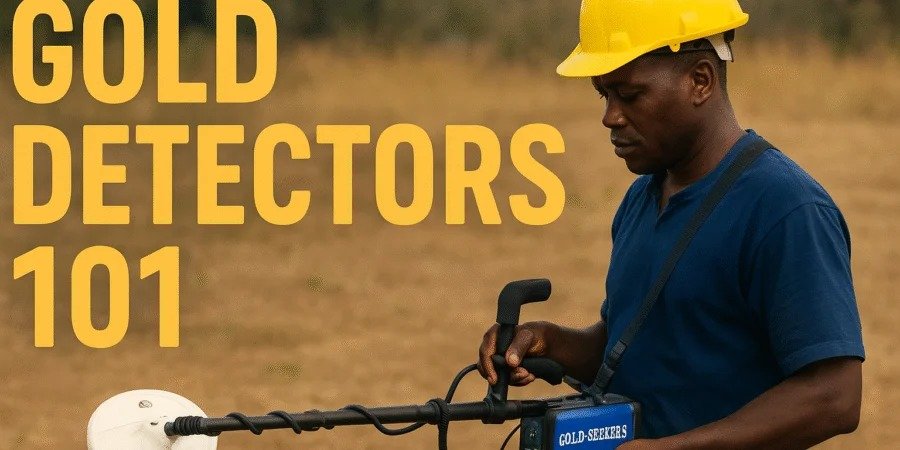
Gold and diamond detectors open the door to exciting adventures, from hobbyist treasure hunting to professional mineral exploration. For beginners, however, the technology can feel overwhelming. Learning how to use your detector effectively—and avoiding common pitfalls—can dramatically improve your chances of success. This guide offers practical tips for maximizing accuracy while exploring underground treasures.
Introduction
Modern detectors use sophisticated electronics to locate gold, diamond indicators, and other valuable underground targets. Understanding how your device works and how to operate it correctly is the first step toward consistent, accurate results.
1. Understand the Difference Between Gold and Diamond Detection
Before you begin, it’s essential to know what your detector is capable of:
- Gold detection: Gold is conductive, so your detector identifies it directly using electromagnetic signals.
- Diamond detection: Diamonds are non-metallic; detectors locate geological indicators like kimberlite or mineral density changes rather than the diamonds themselves.
Knowing this helps set realistic expectations for your searches.
2. Choose the Right Detector for Your Goals
Not all detectors are created equal. Beginners should consider:
- Target type: Are you hunting gold nuggets, searching for diamonds, or general treasure?
- Terrain: Mineralized soil, riverbeds, deserts, and rocky areas require different detector technologies.
- Budget: Entry-level detectors can work for gold and hobbyist treasure hunting; professional diamond detection systems are more advanced and costly.
3. Learn Basic Detector Settings
Ground Balance
Adjust your detector to compensate for mineralized soil. This reduces false signals and increases depth accuracy.
Sensitivity
Start with moderate sensitivity to avoid excessive noise. Increase gradually as you gain experience.
Discrimination
Use discrimination to filter out unwanted metals, but avoid overusing it, especially when searching for small gold nuggets.
4. Master Proper Swinging Technique
Your swinging method can make or break your detection accuracy:
- Keep the coil parallel and close to the ground.
- Swing slowly and evenly to allow weak signals to register.
- Overlap each pass to ensure no areas are missed.
Patience and consistency are crucial, especially when searching for deep or small targets.
5. Understand Signal Interpretation
Signals vary depending on the target and depth:
- Strong, sharp signals often indicate shallow or large objects.
- Weak, faint signals may indicate smaller or deeper targets.
- Learn to dig uncertain signals carefully rather than ignoring them.
Practice with known test targets to improve your interpretation skills.
6. Conduct a Test Scan Before Full Searching
- Scan a small area first to check how your detector responds to soil and mineralization.
- Identify baseline noise levels and adjust settings accordingly.
- Use test targets to simulate gold or diamond indicators.
7. Consider Coil Size and Type
- Small coils: Better for precision and cluttered areas; less depth.
- Large coils: Greater depth but reduced precision in tight spots.
- Specialized coils: Some models offer concentric or double-D coils for advanced accuracy.
Selecting the right coil ensures you cover the area effectively.
8. Account for Environmental Factors
Accuracy can be affected by:
- Soil type and mineralization
- Moisture content
- Rocky or uneven terrain
- Electromagnetic interference from nearby metal structures
Adjust your detector settings to compensate and maintain consistent performance.
9. Keep Realistic Expectations
- Gold nuggets can be small and irregularly shaped.
- Diamonds are located through indicators, not directly.
- Deep targets may produce weak signals.
Understanding limitations prevents frustration and helps you stay patient.
10. Maintain Your Detector Properly
- Keep the coil and sensors clean and free of debris.
- Update software or firmware if applicable.
- Store your detector in a dry, safe place to preserve functionality.
Regular maintenance ensures long-term accuracy and reliability.
Frequently Asked Questions (FAQs)
Can beginners really find gold or diamonds?
Yes, but gold detection is more beginner-friendly. Diamond detection usually requires training and geological knowledge.
How deep can a beginner detector search?
Depth depends on target size, soil type, and detector model. Most entry-level detectors reach a few feet for small targets.
Do I need training to use a detector effectively?
Basic use is straightforward, but practicing with test targets improves accuracy quickly.
Can I detect in mineralized soil?
Yes, but proper ground balance and adjustments are necessary for best results.
Conclusion
Using gold and diamond detectors effectively requires understanding your equipment, mastering your technique, and managing your expectations. By following these tips—choosing the right detector, adjusting settings properly, swinging carefully, and practicing signal interpretation—beginners can maximize accuracy and increase the chances of uncovering hidden treasures.
With patience, persistence, and the right approach, your detector becomes a powerful tool for adventure and discovery.